

New Trend in Medical Tubing & Extrusion [Miniaturization, Intelligence, and Material Innovation]
Click:
Time:2024-04-26 12:16:00
Miniaturization, intelligence and material innovation Medical Catheters New Trend




In today's rapidly evolving medical technology, the design and manufacturing of catheters, as key medical device components, are undergoing unprecedented changes. Whether it is cardiovascular intervention, neurointervention, drug delivery, and microfluidic diagnosis, the quality and function of medical tubes and catheters directly determine the performance and clinical effect of the device. Recently, MPO Magazine interviewed a number of experts in the field of medical catheter extrusion from around the world, including industry experts from Denipe Healthcare, to discuss the key trends in the current industry. The innovation of medical catheters combines three dimensions: materials science, process engineering, and human applications. The future competition will come from who can be more accurate at the micro scale and more flexible in system cooperation. From catheter ontology, to intelligent functional integration, to compliance design in a global regulatory environment, it is companies like Denipe Healthcare that span material research and development and medical manufacturing that make these innovations more 'grounded'. If you're developing a new generation of catheter devices, revisit your network of partners. The next innovation may be fromA pipeline begins。




This article is based on an MPO magazine article 《Safe Passage: Examining Medical Tubing & Extrusion Trends》.
body Five major trends
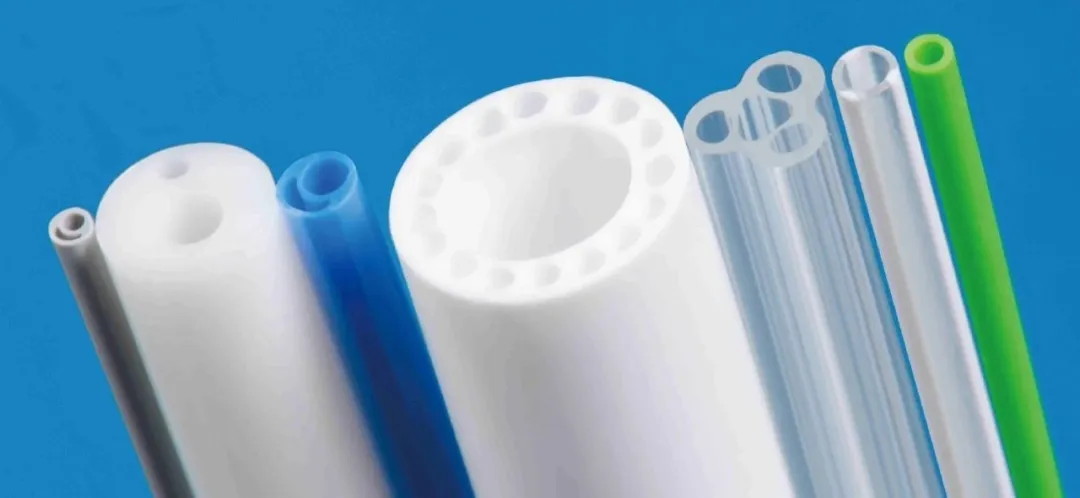
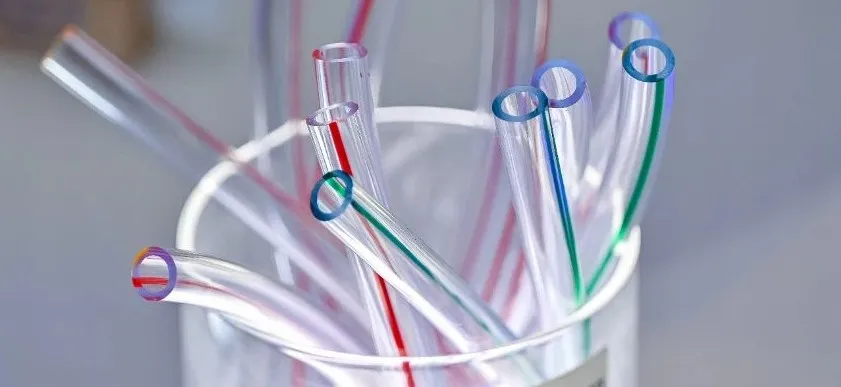
01 Miniaturization Complex structural catheters 'Trend 1' With the rise of minimally invasive medicine and wearable devices, medical pipelines are moving in a smaller and more complex direction. Single cavity to multi-cavity, thick wall to thin wall, and even taper, spiral, and special-shaped structures have become the 'default configuration' of the new generation of products. For example, some manufacturers are now able to offer multifunctional catheters with embedded wires and electrode channels while maintaining extreme dimensional control, which poses greater challenges for extrusion processes and materials. 02 Material innovation Balance performance with safety 'Trend 2' Catheter materials not only meet the dual requirements of flexibility and strength, but also need to withstand the test of biocompatibility, sterilization, and resistance to drug corrosion. From traditional PVC to TPE, TPU, PEBA to silicone, the combination of various materials and co-extrusion composites is becoming more and more common. But at the same time, fluorine substances represented by PFAS (per- and polyfluoroalkyl substances) are becoming the focus of global regulation. Several regions, including several U.S. states and the European Union, have begun to restrict or review the use of fluorinated materials – even for medical use, under pressure to declare, label, or alternative paths. This has prompted some OEMs to seek fluorine-free alternatives or switch to 'declarable and traceable' low-risk fluoropolymers in advance, and also place higher requirements on material suppliers: 03 Smart catheters Implement feature integration 'Trend 3' The concept of smart catheters is rapidly moving from the laboratory to the clinic: such as catheters that can sense changes in pressure, temperature, and resistance in real time, or composite structures with sensing, heating, and guidance functions. This requires that the cable or sensor be embedded inside the catheter while ensuring the flexibility and stability of the external structure. A catheter manufacturer demonstrated eTubing technology (an extruded catheter with embedded wires) has been used in scenarios such as cryogenic radiofrequency therapy, significantly improving the doctor's control over the procedure. 04 Collaboration transforms Become a strategic partner 'Trend 4' Today, OEMs are increasingly looking for a one-stop partner that can participate in early product design, provide rapid prototyping, assist with registration testing, and even support assembly and packaging. A number of global material and pipeline extrusion service providers are transforming into a 'solution-oriented' role, providing not only materials, but also engineering experience and quality assurance. 













bright spot
'Trend 5' In a conversation with MPO Magazine, Santiago Medina (Global Product Manager, Denipe Healthcare) emphasized that the performance of medical catheters depends not only on the material used, but also on how the material 'serves the structural design' and end use. 'The needs of different customers for conduits are becoming more and more refined, from ductility to ray visibility, from the channel design of embedded cables to the multi-layer co-extrusion structure, these functional requirements have long been more than just evaluating the performance of the material itself, but more importantly, whether the material can adapt to the design of complex structures, and have the full process production capacity from engineering research to mass production.' Medina pointed out that Denipei is helping customers achieve highly customized piping products through their in-depth understanding of PVC, TPE, PEBA, silicone and other materials, combined with custom extrusion technology. This model of 'formula + process + structure collaborative development' has increasingly become a decisive factor in customer selection. He emphasized that many projects bring in piping suppliers to collaborate early in the design stage, which can significantly optimize the production process, reduce defect rates, and improve product consistency. Denipe expert keywords -- Materials engineering no longer exists in isolation, and the function of the conduit structure must be considered at the same time; -- Multi-layer co-extrusion and composite structure promote 'formulation and design synergy'; -- Early cooperation and inclusion of pipe suppliers in the early design process is the mainstream of the future.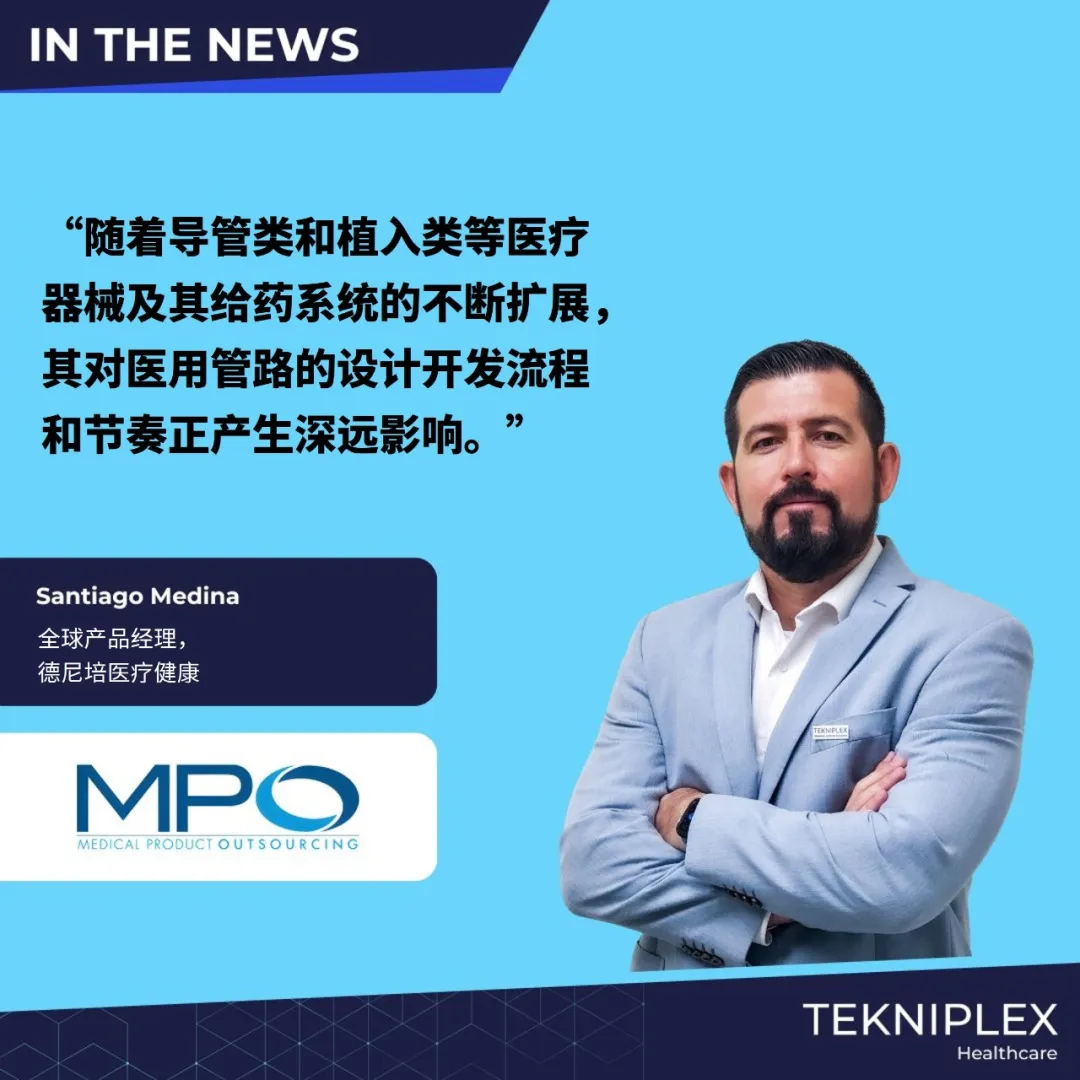

Copyright © 2025 Worldcross Industries Co., Ltd.All Rights Reserved.

 Contact 1
 Contact 2
 Contact 4